

 Summer dealsCamp & Hike clearance






Dress for skiing and snowboarding in three layers: a base layer that moves sweat off your skin, a mid layer that holds warmth, and a shell that blocks wind and snow. Add or remove the mid layer as the temperature changes, and skip cotton in every layer. Here is how to build each layer for Ontario winters, where hill temperatures often run from about −5 °C to −20 °C before wind chill.
Base layer: keep dry
The base layer sits on your skin. Its job is to move sweat away so you stay dry, because damp skin gets cold fast on the chairlift.
- Merino wool stays warm when damp, regulates temperature well and resists odour, so it suits multi-day trips.
- Synthetic (polyester or polypropylene) dries faster and is tougher and cheaper, which suits high-output days and kids.
- Fit: close to the body without squeezing, so it can wick.
- Weight: lightweight for warm days and hard effort; midweight for most Ontario days; heavyweight for the coldest days.
Avoid cotton. It holds sweat against your skin and stays cold and wet. Shop base layers for men and women.
Mid layer: hold warmth
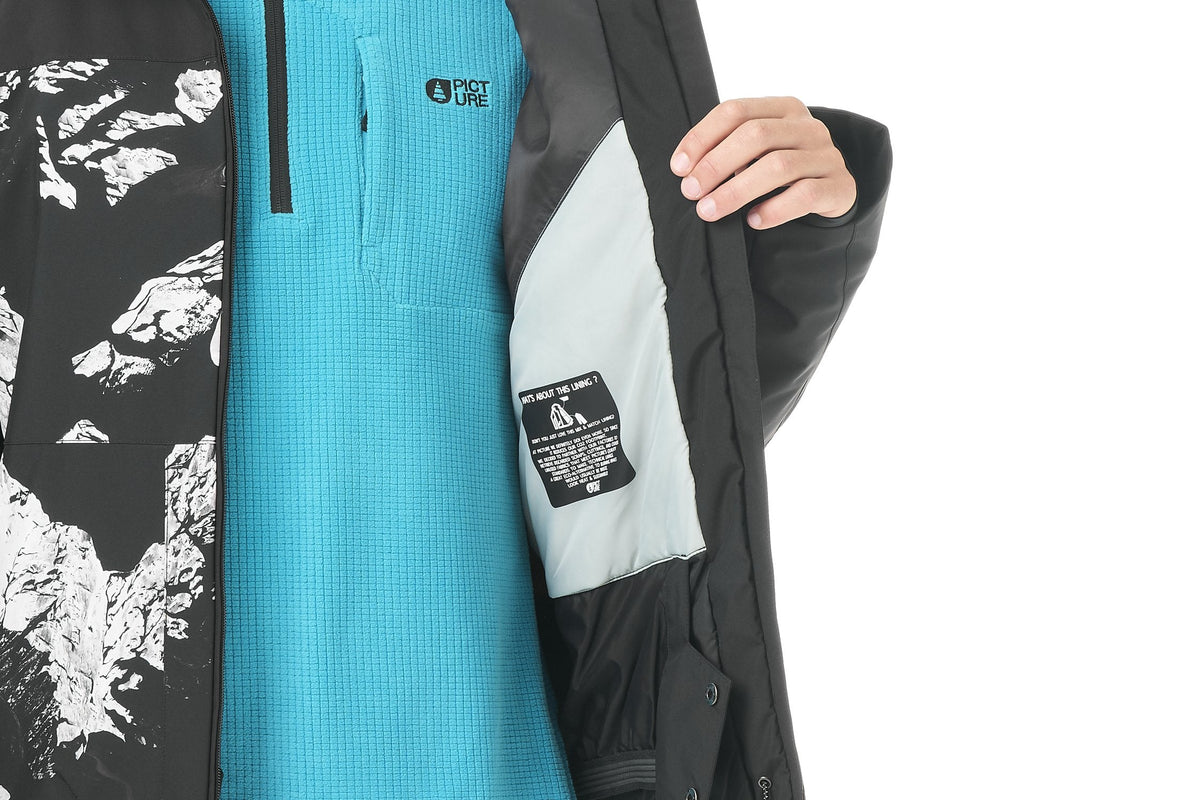
The mid layer traps warm air. It is the layer you change most as conditions change.
- Fleece is breathable, warm when damp and easy to care for. A 100- or 200-weight fleece covers most days.
- Synthetic insulated jackets are warm for their weight, keep insulating when damp and pack small.
- Down is the warmest for its weight, best on very cold, dry days and under a shell.
On a mild day, you may not need a mid layer at all. On a −20 °C day, you may want a fleece and a light insulated vest. Shop mid layers for men and women.
Outer layer: block wind and snow
The outer layer keeps snow, wind and wet out while letting moisture escape. Two numbers tell you how well a jacket or pant does that.
- Waterproof rating, in mm: how much water pressure the fabric resists. About 10,000 mm handles most Ontario days; 20,000 mm and above suits wet snow and long storm days.
- Breathability, in g/m²/24h: how much water vapour passes out through the fabric. Higher numbers suit people who ski hard or hike for turns.
- 2-layer (2L) vs 3-layer (3L): 2L shells are softer and often lined; 3L shells bond the membrane between face fabric and lining, for more durability and breathability.
- Shell or insulated: a shell has no insulation, so you control warmth with layers underneath. An insulated jacket has warmth built in, which is simpler for resort skiing and for people who run cold.
Features that matter on the hill: a helmet-compatible hood, a powder skirt, pit zips for venting, a pass pocket on the sleeve, and pant cuffs that seal over boots. Bibs keep snow out of your back better than pants. Shop men’s jackets, women’s jackets, men’s pants and women’s pants.
What to wear by temperature
| Hill temperature | Base | Mid | Outer |
|---|---|---|---|
| Around 0 °C to −5 °C | Lightweight | None, or a light fleece | Shell or lightly insulated jacket |
| −5 °C to −15 °C | Midweight | Fleece | Shell or insulated jacket |
| Below −15 °C, or strong wind | Midweight or heavyweight | Fleece plus insulated vest or jacket | Insulated jacket, plus a neck gaiter or balaclava |
Wind chill on a chairlift can make it feel 10 °C colder than the thermometer. When in doubt, bring the extra mid layer and take it off if you get warm.
Hands, feet and head
- Socks: one thin ski sock in merino or synthetic. Two pairs or thick cotton socks cut circulation in a boot and make feet colder.
- Gloves or mitts: mitts are warmer because your fingers share heat; a thin liner glove adds warmth and lets you use your phone. Shop gloves and mitts.
- Head and face: wear a helmet, and a thin balaclava or neck gaiter on cold days. Keep the gaiter below the goggles so your breath does not fog the lens.
Fit your layers together
Try your shell on over the mid layer you will wear. Raise your arms, crouch and twist: the jacket should not ride up and the sleeves should still cover your wrists. If you wear a fleece underneath, you may need one size up; see our clothing size chart. Unused items can be exchanged for another size at any of our three stores within 14 days.
Layering questions
Is a hoodie OK as a mid layer for skiing?
Only a synthetic or fleece one. A cotton hoodie holds sweat and gets cold once you stop moving.
How waterproof should a ski jacket be?
About 10,000 mm is enough for most Ontario days. Choose 20,000 mm or more if you ski in wet snow or rain often.
Should I buy an insulated jacket or a shell?
An insulated jacket is simpler for resort days and people who run cold. A shell plus layers is more flexible across temperatures and for active skiing.