
 Summer dealsCamp & Hike clearance






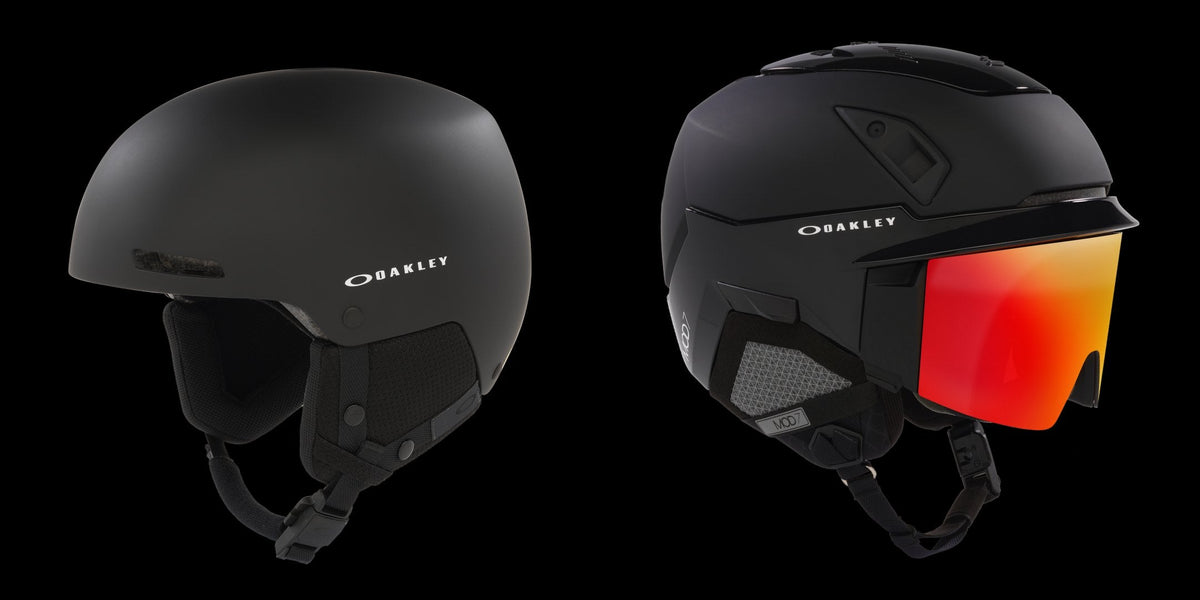
Ski and snowboard helmets are sized by head circumference in centimetres: measure just above your eyebrows and ears, then match the number to the brand’s size range. On our size chart, S covers 52–55 cm, M 55–59 cm and L 59–63 cm; between two sizes, take the smaller one. This guide matches our Find my helmet size tool.
How to measure your head
- Use a soft tape measure, or a piece of string and a ruler.
- Wrap it around your head about 1–2 cm above the eyebrows and just above the ears, level all the way round.
- Pull it snug but not tight, and read the number where the tape meets.
- Measure twice and use the larger number.
Measure with your hair the way you will ride, for example without a thick ponytail at the back if you tie it low.
Helmet size chart
| Helmet size | Head circumference | In inches |
|---|---|---|
| XS | 49–52 cm | 19.3–20.5 in |
| S | 52–55 cm | 20.5–21.7 in |
| M | 55–59 cm | 21.7–23.2 in |
| L | 59–63 cm | 23.2–24.8 in |
| XL | 63–65 cm | 24.8–25.6 in |
Brands draw their ranges slightly differently, and many helmets cover two letters with one shell, such as M/L. The size range on each product page takes priority over this chart.
How a helmet should fit
- Snug all round, with no gaps between the pads and your head, and no pressure points.
- Level, with the front edge about a finger’s width above your eyebrows.
- Stable: with the dial or fit system tightened and the chin strap done up, the helmet should not rock when you shake your head.
- Chin strap: snug, with room for about one finger between the strap and your chin.
Between two sizes, take the smaller one. The pads compress and settle in after a few days, and a snug helmet stays in place in a fall.
Helmets and goggles together
Try your helmet on with your goggles. The top of the goggle frame should sit flush under the helmet’s front edge, with no gap at the forehead. A gap lets cold air in, and a goggle pushed down by the helmet presses on your nose. The goggle strap should sit flat in the helmet’s rear clip. Bring your goggles into any of our stores and we will check them on the helmet.
Safety features to know
- Certification: snow sports helmets are tested to standards such as EN 1077 or ASTM F2040. Check the label inside.
- MIPS: a low-friction layer inside the helmet lets the head move slightly relative to the shell in an angled impact, to reduce rotational forces. MIPS models are listed in each helmet’s specs.
- Fit system: a rear dial adjusts the fit by a couple of centimetres, which helps between sizes and with a thin hat or balaclava underneath.
- Vents: adjustable vents let you open the helmet on warm spring days and close it on cold ones.
Most brands advise replacing a helmet after any significant impact, even if no damage is visible. Check your brand’s guidance on how long to use a helmet.
Kids’ helmets
Buy a kids’ helmet that fits today, never one to grow into. A loose helmet can slide and leave the forehead exposed. Most kids fit XS or S, about 49–55 cm. See our kids’ size charts.
Shop helmets
Shop ski and snowboard helmets and goggles, or try them on together at our Richmond Hill, Newmarket or Ottawa store.
Helmet sizing questions
What size helmet do I need for a 57 cm head?
Medium on our chart, which covers 55–59 cm. Check the brand’s range on the product page, since some brands split sizes differently.
Should a ski helmet be tight?
Snug, not tight. It should not move when you shake your head, and it should not leave red pressure marks after a few minutes.
Can I wear a hat under my helmet?
Only a thin liner or balaclava, and only if the helmet still fits snugly. A thick hat stops the helmet from sitting where it was designed to.