

Why Campfire Safety Matters
A campfire is the heart of any campsite. It gives warmth, light, and a place to cook meals.
But starting a fire comes with responsibility. Practice good fire safety and follow simple safety tips to prevent accidents and reduce the risk of wildfires.
This easy step-by-step campfire guide shows you how to build a fire safely and enjoy it with peace of mind.
Step 1: Choose a Safe Location
Before building your fire, check if the area has fire bans.
Many campgrounds and parks require campers to use designated fire pits or bring a portable fire pit.
Clear the ground of grasses and leaves. Move away any flammable materials or other combustible material. Place your fire at least 10 feet from tents, trees, or gear.
Step 2: Gather Materials
To build a fire, gather three types of fuel:
-
Tinder – small, dry items like pine needles, paper, or twigs that catch fire quickly.
-
Kindling – medium sticks that burn after the tinder.
-
Larger piece of wood – logs that keep the fire burning longer and more steadily.

Pack a match or lighter, a fire starter, and keep buckets of water nearby in case of emergencies.
Step 3: Build the Fire Structure
Use one of these two beginner-friendly methods for building your fire:
-
Teepee fire – Place tinder in the middle. Lean kindling around it in a cone shape. This design helps the flames rise quickly.
-
Log cabin fire – Stack kindling in a square around the tinder. Place a larger piece of wood on top. This burns slower and more evenly.
Both methods are safe and effective for starting a fire outdoors.
Step 4: Light the Fire Safely
Use a match or lighter to ignite the tinder at the base.
Blow gently on the flame to give it oxygen, but don’t scatter sparks. Add kindling slowly until the fire grows. Then place logs one at a time.
Never use gasoline or lighter fluid. These cause dangerous flare-ups and break basic campfire safety rules.
Step 5: Maintain and Monitor
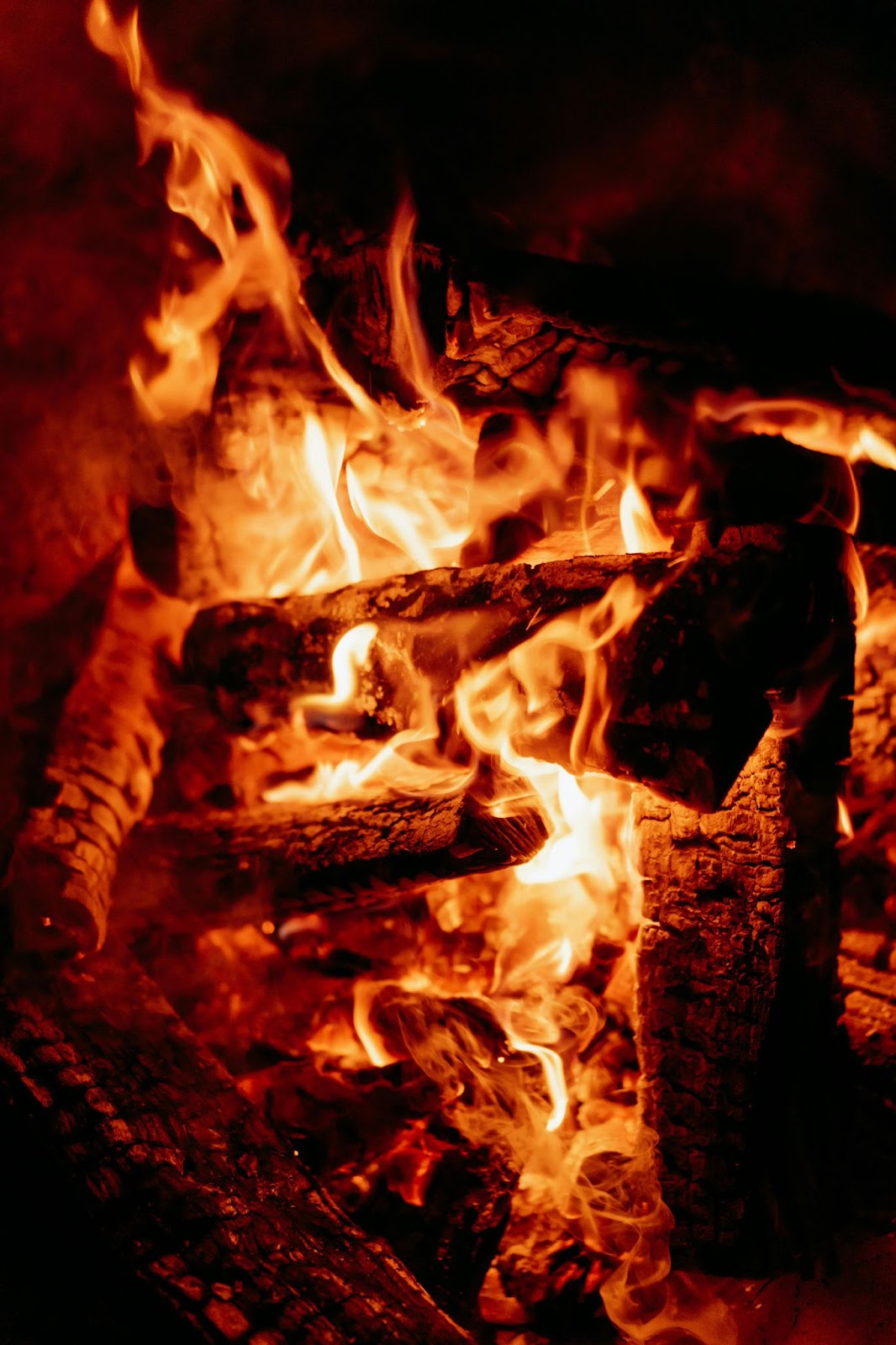
Once your fire burns steadily, keep it small and under control. Add wood slowly and avoid overloading it with combustible material.
A smaller fire stays safer, cooks food more easily, and requires less fuel.
Always supervise children and pets when flames are present. Never leave a campfire unattended.
Step 6: Extinguish a Campfire Properly
When you finish with the fire, put it out completely:
-
Spread out the logs and embers with a stick.
-
Pour buckets of water slowly until the hissing sound stops.
-
Stir the ashes and add more water until everything feels cool to the touch.
-
Check the area again to make sure nothing can catch fire.
Extinguish every campfire thoroughly to prevent wildfires.
Conclusion: Campfire Safety First
Learn how to start a campfire safely, but always put safety first.
Check for fire bans, use designated fire pits, and keep your flames small. Follow campfire safety guidelines to protect yourself, your group, and the environment.
Supervise your fire at all times, and always stir the ashes when you put it out. When you practice these habits, you can build a fire confidently and enjoy the warmth of the outdoors responsibly.