

 Summer dealsCamp & Hike clearance






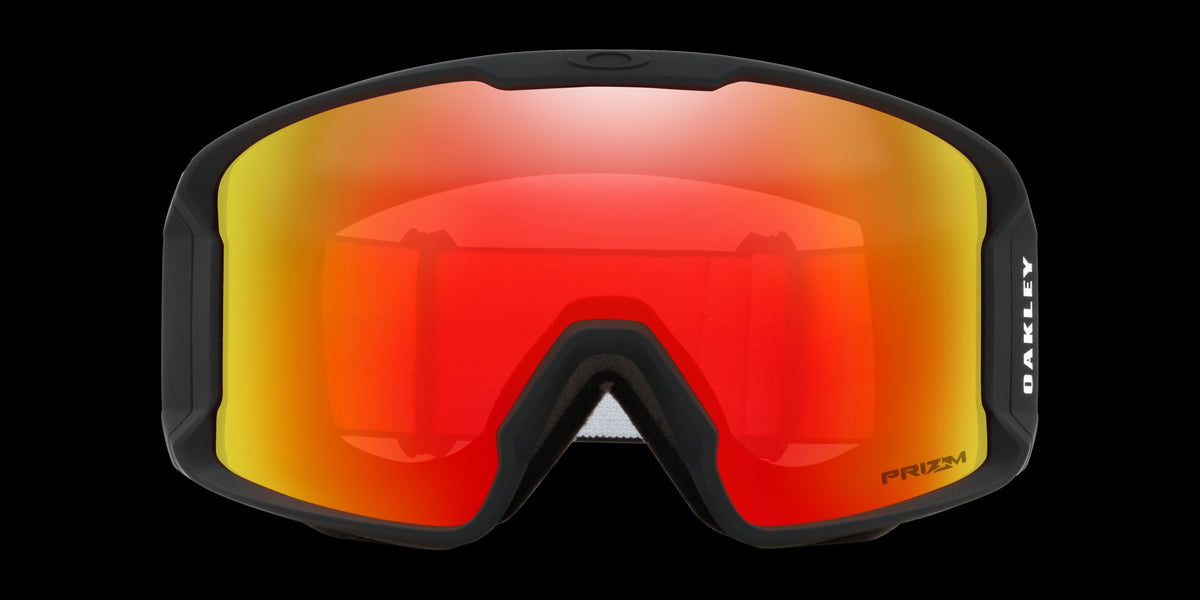
Choose ski and snowboard goggle lenses by VLT, the percentage of visible light the lens lets through: a high VLT (above about 40%) for flat light and snowfall, a low VLT (under about 20%) for bright sun. For fit, the goggle should seal around your face with no gaps and sit flush under your helmet. Here is how to choose both.
What VLT means
VLT stands for visible light transmission. A lens with 15% VLT lets 15% of the light through, so it is dark and suits sunny days. A lens with 60% VLT is light and suits cloudy days, storms and night skiing. Lenses are grouped into filter categories from 0 to 4.
| Category | VLT | Best for |
|---|---|---|
| S0 | 80–100% | Night skiing, very low light |
| S1 | 43–80% | Flat light, fog, heavy snowfall |
| S2 | 18–43% | Mixed sun and cloud; the most versatile single lens |
| S3 | 8–18% | Bright sun on snow |
| S4 | 3–8% | Very bright sun, glaciers and high altitude; not for driving |
Each goggle’s lens category or VLT is in its specs. Many goggles come with a second lens for the other end of the range.
Which lens for Ontario skiing
Ontario days are often grey, with flat light that hides bumps in the snow. Night skiing is also common at hills near Toronto and Ottawa. A practical set-up for most Ontario skiers and riders:
- Main lens: S1 or S2, for overcast days and flat light.
- Sunny-day lens: S2 or S3, for blue-sky days and spring.
- Night skiing: a clear or S0–S1 lens.
Lens tint also changes contrast. Rose, amber and yellow tints add contrast in flat light; grey and dark mirrored lenses keep colours natural in bright sun. Photochromic lenses darken in bright light and lighten in low light, covering a wider VLT range with one lens.
How goggles should fit
- Seal: the foam should touch your face all round, with no gaps at the cheeks or nose.
- Nose: the frame should not pinch your nose or press on your nostrils.
- Frame size: small or medium frames suit smaller faces and kids; large frames give a wider field of view.
- Helmet: the top of the frame sits flush under the helmet’s front edge, with no gap at the forehead, and the strap fits the helmet’s rear clip.
- Glasses: if you wear prescription glasses, look for an OTG (over-the-glasses) frame with cut-outs for the arms.
Try goggles on with your helmet in any of our stores. Helmet sizing is in our helmet sizing guide.
How to swap a goggle lens
Lens changes depend on the frame.
- Magnetic lenses, such as on Smith’s MAG goggles: release the lock or latch, then lift the lens off the magnets. Line up the new lens and press until it clicks into place.
- Clip-in or frame-flex lenses: gently flex the frame and unhook the lens edge, starting at the nose. Fit the new lens into the groove all the way round, then check that no tab is left outside the frame.
Hold lenses by the edges. The inside of most lenses has a soft anti-fog layer: never wipe it while it is wet, and let it air-dry instead. Store the spare lens in its bag or case. Bring your goggles to any store and we will show you how your frame works.
Stopping fog
Fog forms when warm, moist air meets the cold lens. Keep goggles on your face or on the helmet, not on your forehead under a hat; keep the vents clear of snow; and do not tuck a neck gaiter up under the frame where it pushes breath into the goggle.
Goggle lens questions
What is the best all-round goggle lens VLT?
An S2 lens, about 18–43% VLT, covers the widest range of conditions. Add a high-VLT lens for flat light if you ski often in Ontario.
Can I use a sunny-day lens for night skiing?
No. A dark S3 or S4 lens cuts too much light at night. Use a clear, S0 or S1 lens.
Do goggles fit every helmet?
Most do, but the gap at the forehead varies. Try them together, or bring your goggles in and we will check them on the helmet. Shop goggles and helmets.