

Why Sustainability Matters in Outdoor Clothing
Outdoor enthusiasts spend time in nature, so it makes sense to care about protecting it. In recent years, sustainable outdoor clothing has become more than a buzzword—it’s a movement. From recycled polyester to organic cotton, brands and consumers are both pushing for gear that delivers performance and reduces environmental impact. Choosing eco-friendly apparel isn’t just a style decision; it’s about ensuring the landscapes we love remain unspoiled for future adventures.

Eco-Friendly Fabrics to Know
-
Recycled Polyester (rPET)
Made from plastic bottles or old textiles, rPET reduces waste while keeping the durability and quick-dry qualities that hikers and athletes need.
Leading outdoor brands like Mammut have already integrated rPET into their jackets, backpacks, and insulation technologies, aiming for 95% recycled polyester usage by 2025.
👉 Explore our Mammut sustainable collection
-
Organic Cotton
Grown without harmful pesticides or synthetic fertilizers, organic cotton offers softness and breathability for casual outdoor wear.We especially recommend Picture, a brand well-known for its commitment to sustainability. Picture specializes in using organic cotton and recycled materials, creating apparel that’s not only stylish and comfortable but also represents a responsible approach to protecting the environment.
👉 Shop Picture Organic Clothing here
-
Hemp & Tencel
Hemp is naturally durable and requires less water, while Tencel (from wood pulp) is lightweight, breathable, and biodegradable. -
PFC-Free Waterproofing
Traditional water-repellent coatings use harmful perfluorocarbons (PFCs). Today, more brands are adopting PFC-free treatments that provide water resistance without damaging ecosystems.

Performance Meets Responsibility
Some may worry that eco-friendly fabrics can’t perform as well as traditional synthetics. In reality, innovations in textile technology mean you don’t have to sacrifice function for sustainability. Recycled nylon and polyester maintain waterproofing and breathability. Hemp blends add natural strength. And new three-layer (3L) constructions with fully taped seams combine durability, weather protection, and eco-friendly treatments—all while keeping you dry and comfortable.
Who Benefits from Sustainable Gear?
-
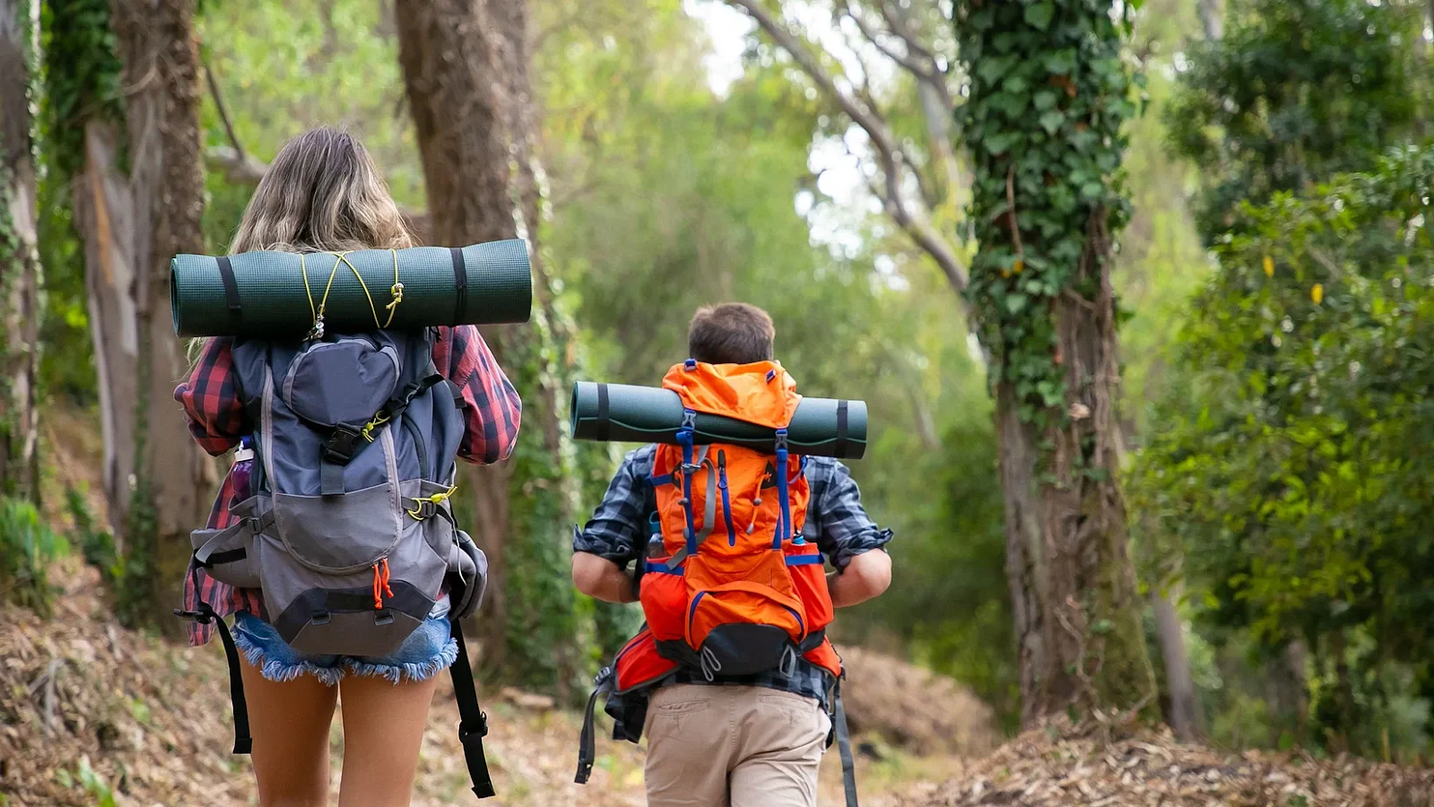
Hikers & Campers: Lighter environmental footprint while enjoying the outdoors.
-
Urban Explorers: Stylish eco-conscious clothing that works from city streets to weekend trails.
-
Families & Future Generations: A commitment to sustainable gear helps preserve natural spaces for years to come.
Future Trends in Sustainable Outdoor Clothing
Looking ahead, expect even more innovation:
-
Circular Fashion: Clothes designed for repair, reuse, and recycling.
-
Bio-Based Fabrics: Materials derived from plants, fungi, or algae.
-
Transparency in Supply Chains: Brands providing clear data on sourcing, carbon footprint, and water usage.
Sustainability isn’t a passing trend—it’s the future of outdoor fashion.
Final Word: Protect Nature While You Explore It
Choosing sustainable outdoor clothing means supporting both performance and the planet. With eco-friendly fabrics like recycled polyester, organic cotton (with leaders such as Picture), and PFC-free waterproofing, you can enjoy every hike, climb, or camping trip knowing your gear is part of the solution.
👉 Click here to explore our sustainable outdoor collection and gear up responsibly